Tag Archives: connecting to nature

Happy Earth Day from 1 2 3 Kindergarten & Mrs. A

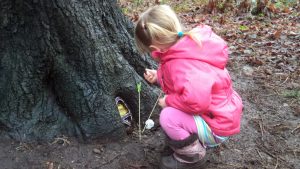
Earth Day activities for childrenThis kindergarten readiness fun and learning play-of-the-day gets 3 p’s in one: post, planet, and play. Today, all over the planet kids will be doing a variety of crafts to celebrate Earth Day, but one of the most important activities is for children to spend some time outside actually experiencing the natural world, connecting to nature, and feeling that they are also part of nature and the Earth.

What’s is the weather like where you live? Your child may be able to feel the wind or the warm (hopefully) sun. Together look at the sky and check out the clouds. That’s using the senses of sight and touch. Are there any sounds to hear? There may be some flowers to smell, or newly mowed grass, or the freshness after rain. In a city, there might be other smells that are not natural. It’s a good time to talk about needing to take care of the earth and find ways to keep earth clean.

Even in cities there will be pockets of nature to observe and possibly explore, from tiny spots of lichen on the sidewalk to big trees. Playing in the dirt or mud is a super sensory activity and can happen in the yard, garden, or even a plastic dishpan. Add in some rocks, grass, pinecones, and other bits of nature for more fun. What might be some other ways that kids can connect with nature for Earth Day?

Share this:
Share this page via Email Share this page via Stumble Upon Share this page via Digg this Share this page via Facebook Share this page via Twitter
Share

Kindergarten Readiness: Spring Fun and Learning

connecting to nature spring walkOur first-day-of-spring walk for some kindergarten readiness fun and learning while connecting to nature had to get shortened to a quick dash. Actually, the weather here was more like all 4 seasons in a day. The cool, crisp spring morning became a sunny, wonderful noon, warm enough to hint at summer. The afternoon turned colder and windy more like fall, followed by a dark hail storm that made us hurry inside and cuddle up with a winter hot chocolate. Brr. Last year on a walk, we were able connecting to nature spring walkto see so many signs of spring. But the weather-filled day was good for talking and learning about nature, anyway.

When the weather cooperates, you and your child can take a walk to look for signs of spring. This will give your child an opportunity to practice some observation skills and encourage noticing details. cting to nature spring walkKids are usually pretty good at seeing little things that we might miss, like bits of new grass in the rocks. There’s lots to talk about too such as how plants need sun and rain. Look around for other plants that are starting to grow and maybe there are some birds in the area. Is there anything that smells like spring? Some colors of spring? There are lots of things for kids to discover, ways to connect with nature and to combine fun and learning. What are some other signs of spring?

Share this:
Share this page via Email Share this page via Stumble Upon Share this page via Digg this Share this page via Facebook Share this page via Twitter
Share

Kindergarten Readiness: Planting Seeds

Kindergarten readiness is something that grows and develops. So do seeds, and planting some in the spring is both fun and learning. A favorite seed to plant is a bean because it grows quite big fairly quickly. Bean seeds can be planted in cups, egg cartons, little pots, tissue paper rolls, and even ziplock bags that can be taped to a window. Recently, I saw a bean seed planted in an old CD case which made it super easy to see the roots. But today we planted a few herb seeds in a fairy garden.

connecting to nature

To make a fairy or herb garden, you can use a big, wide pot with lots of dirt. It needs to be fairly moist before popping in the seeds. Seeds like basil and thyme are about the size of a speck of sand and disappear in the dirt. It’s easier to sort of sprinkle on a few seeds and then cover them with some extra dirt rather than trying to put them into a finger hole.

connecting to nature

The different sizes of seeds is quite interesting and only a few seeds like corn and peas look like the plant. You can show your child how seeds can be different sizes, shapes, and colors. Besides learning about seeds, kids also learn about patience because they have to wait for the seeds to make little sprouts and then bigger plants. This can take several days. Kids learn about how to care for plants, giving them a bit of water and making sure they get some sun. Knowing that seeds grow into plants is a basic, but important, science fact. The whole experience of planting a seed and then caring for a plant helps children develop a connection to nature. Seeds may be small, but do you agree, the learning can be big? And fun?

Share this:
Share this page via Email Share this page via Stumble Upon Share this page via Digg this Share this page via Facebook Share this page via Twitter
Share

Kindergarten Readiness: I Spy Something Green

For a St. Patrick’s Day, science, nature, green, and kindergarten readiness activity, how about an I Spy activity? Time in nature is a treasure that enriches us in all kinds of ways. For kids, outside play also helps them develop their connection to nature and gives them an opportunity for both fun and learning. Today’s play-of-the-day can happen in a playground, park, or your neighborhood. Since green is the color for St. Patrick’s Day, you and your child can play “I Spy” and look for things that are green. Up, down, and all around, in the sky and on the ground.

On the way to the playground, we saw some bushes, early plants, and some sort-of green circles on the sidewalk. The shrub is a ‘junifer’. We even saw a green compost container and green equipment. This simple activity added something new to our ordinary walk to the playground. It was fun to discover many things that were green. Being able to look for something specific and find it amidst all kinds of other distractions is an important part of paying attention. Your child may be ready to figure out that some of the green things are plants and others are not. Sorting things into groups is another valuable learning skill. Are some of the green things alive? That’s science learning. What do you and your child “I Spy” that’s green? Any leprechauns?

Share this:
Share this page via Email Share this page via Stumble Upon Share this page via Digg this Share this page via Facebook Share this page via Twitter
Share

Kindergarten Readiness: I Spy Some Animals

Spending time outside helps young children both connect to nature and practice some kindergarten readiness skills. Your family may be able to fit in some playtime in the park or playground, but even just a walk around the block or on the way to the bus will give a few minutes for both fun and learning.

connecting to nature

Being able to notice details is an important skill for kids and adults. It needs some time and opportunity for practicing. When you and your child go outside, you can play an  “I Spy” nature game. Hmm, what to look for? Hopefully, it’s warm enough now since it’s closer to spring to see more animals outside. Play ” I Spy some Animals” to give your child some practice looking around and observing. Are there any cats and dogs? How about birds? Talk about some animals that are not there, like bugs and worms. Where could they be? Are there any under some rocks? Little kids are closer to the ground and notice things that we miss. Any squirrels? How about fish? Somehow, kids have already learned where fish should be but they like thinking that grownups may not. Do you and your child enjoy the time outside?

Share this:
Share this page via Email Share this page via Stumble Upon Share this page via Digg this Share this page via Facebook Share this page via Twitter
Share

Kindergarten Readiness – Conversations with Guest Experts #7

For each radio show on Learn and Play with Mrs A, I take notes because I’m learning so much about kids and kindergarten readiness from fascinating guests who are experts in a variety of areas. Each of them is passionate about kids and loves the work, or maybe that’s play? Here’s a play-of-the-day suggested from our play-of-the-week conversations and a little information about these awesome guests.

importance of children's connection to natureNature is a cycle and everything is interconnected, even us. The term nature-deficit disorder has made us aware of how important it is that children spend time in nature. Conservationist and forester, Andy Hall explained ways to encourage and develop children’s connection to nature, especially in urban areas where wild, natural spaces may be not be available. Andy suggested looking for pockets of nature in neighborhoods.

developing children's connection to natureFor a play-of-the-day, you and your child might like to go for a walk to see some signs of nature. What do the trees look like? Why might they be different right now? What else is there? This tree has no leaves. There’s even nature on the sidewalk with spots of lichen. You may see some animals braving the cooler weather. Checking the weather is another way of being aware of nature.What else is there to see, and hear, and feel?

For more ideas on how to include nature for your child, here is the podcast link:
Andy Hall/Learn and Play podcast

Share this:
Share this page via Email Share this page via Stumble Upon Share this page via Digg this Share this page via Facebook Share this page via Twitter
Share

Kindergarten Readiness ABC`s – O = Outside Learning & Fun

For today’s kindergarten readiness play-of-the-day, how about some learning and fun outside, that doesn’t even need the box?!

winter-child-climbing - Copy3

Just in case you haven’t read it enough on this blog, kids need time in nature. For that matter, so do adults. Children today are at-risk of not being able to develop a strong and sustained connection to nature. They need time outside to experience the sun, the wind, the plants and even the weather.

Winter can be a challenging time to be outdoors but sometimes outside can be brought inside. Gather up a big plastic bowl of snow, bring it in and set it in the sink. Kids can play with it there and any mess will just go down the sink. What does it feel like? What happens to it? You may live somewhere that gets days and days and days of endless rain, but while grownups don’t love puddles, kids certainly do. In areas with sun, enjoy the time outside. There will still likely be seasonal changes to notice and explore.

Wherever your family lives, is there a way to give your child some outside time?

Share this:
Share this page via Email Share this page via Stumble Upon Share this page via Digg this Share this page via Facebook Share this page via Twitter
Share

Kindergarten Readiness and Winter Fun and Learning

Kindergarten readiness is fun for all seasons and today that season is winter. Winter where your family lives might mean snow, or rain, or if you are very lucky, warm and sunny. Wherever you are, it is important for your child to have time in nature. Recently, research is showing us how critical this is for healthy development. To quote Richard Louv, “To take nature and natural play away from children may be tantamount to withholding oxygen.”

winter-snowmanOutside play time today may certainly depend on the weather. Exploring and talking about the weather is one way to connect to nature. You and your child may be able to go for a walk outside and see some seasonal changes. Do the trees look the same? What’s happened to the leaves? There may be some birds lingering and looking for any left-over berries. If snow isn’t covering them all, there may be a few pine cones on the ground. As kids look around, besides building their awareness of nature, they are also practicing observing skills.

Playing in the snow is a highlight of winter and building a snowman is a special activity. Outside time is exercise for the whole body and the talking and listening is exercise for young minds. Who says snowmen can’t talk? Your child might be able to tell what the snowmen would like to say. Children sometimes do not like change. Noticing how nature can change and yet still be the same may be helpful and reassuring for them.

Will your child be able to have some nature learning and fun to celebrate the first day of winter?


Share this:
Share this page via Email Share this page via Stumble Upon Share this page via Digg this Share this page via Facebook Share this page via Twitter
Share

Kindergarten Readiness & Early Learning Basics: Nature

Parents and caregivers often ask what young children need to know before kindergarten; this is the ninth in a series of blog posts on kindergarten readiness and early learning basics. No matter the age of your little one, this will give you a general picture of what to do as your child’s very first teacher.

free-range-kids
Kindergarten readiness is so much more than academics. A very real and growing concern is the lack of a connection to nature that impacts learning, development and well-being. This quote from the Center for Families, Communities, Schools and Children’s Learning seems to sum up the message: “Children learn best through their everyday experiences with the people they love and trust, and when the learning is fun. And the best place for these experiences is outdoors, in the natural world.”

Andy Hall, a retired forester was my guest on an autumn Learn and Play with Mrs. A radio show and discussed some important basic nature knowledge for kids. He explained that nature is a cycle and children can often connect with trees in their neighborhood to watch how this cyclical change. Even urban areas have pockets of natures that children can explore with parents and caregivers to connect with nature.

Many of my blog posts have ideas and suggestions for nature activities. Go RVing has this advice, “Along with milk and vegetables, kids need a steady diet of rocks and worms. Rocks need skipping. Holes need digging. Water needs splashing. Bugs and frogs and slimy stuff need finding.” These activities and more are also part of kindergarten readiness. Are nature time and exploring part of your child’s early learning?


Share this:
Share this page via Email Share this page via Stumble Upon Share this page via Digg this Share this page via Facebook Share this page via Twitter
Share

Kindergarten Readiness: Fall Nature Activities #10-A Big Den

hive
That’s 10 special kindergarten readiness and nature fun and learning activities for fall. Den rhymes with 10, as in an animal den or home. At this time of year many animals are looking for and making homes.

Animals can have all kinds of homes. What kinds of animals live under rocks? Help your child turn over a few to find out. centipedeThere are often many interesting kinds of bugs and other crawly critters. Besides on the ground, homes can be up high. There may be some bee hives to see.

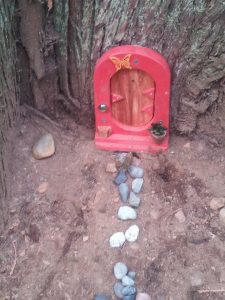
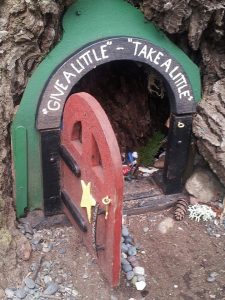
If there are any trees in your area, see if there are any squirrels or racoons that may be making a home in the tree. fairyAframeSometimes, even tree stumps or fallen logs can be homes for small creatures. There may be some empty nests. Where have the birds gone? Look very closely in case there is a tiny, carefully hidden fairy house!

MousekinA special story to read at this time of year is Mousekin’s Golden House, by Edna Miller. A little mouse makes a den inside a jack-o-lantern after Halloween where he sleeps inside all snug and warm while the fall wind and winter snow blow outside. The story also shows other animals looking for homes in the mud around the pond.

The Earth is a big den for many animals, and people too. What other animal homes can your child find?

Share this:
Share this page via Email Share this page via Stumble Upon Share this page via Digg this Share this page via Facebook Share this page via Twitter
Share