Tag Archives: multiple intelligences

Kindergarten Readiness – Wondering-Smart Activities for Kids

wonder-smartPrevious blog posts have explored ways that we can help young children grow their brains and develop their kindergarten readiness. Instead of asking “How smart is this child?” we can turn the question around and ask “How is this child smart?” That gives us more information about a child’s individual strengths and challenges because each child is unique. The notion of multiple intelligences says that we are all smart in different ways. New research is also showing that children’s brains grow with stimulation so yes!! we can make kids smarter. In addition to the 8 of body-smart, word-smart, logic/math smart, picture-smart, self-smart, people-smart, music-smart and nature-smart there’s a new one: wondering-smart.wonder-smart-activities

Wondering-smart is somewhat different for adults than for kids. I think it’s about time that being able to imagine is recognized as a part of intelligence. Yeah, for imagination! How can you encourage your child to develop wondering and imagination?
wonder-smartRead books about anything and everything. When you can’t read a book, make up a story. “Once upon a time, instead of a bus driving down the street there was a giant bath tub…” or “Once upon a time a cloud bumped into the sun and…”

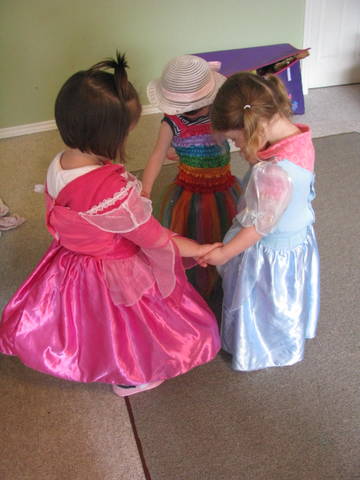
Put out some dress-up clothes for your child to stimulate imagining.

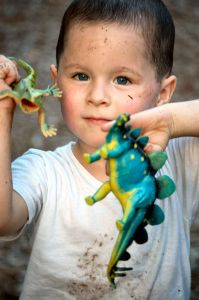
Wonder together about the wind, or what the bee says to the flower, or if the sun ever sees the moon. Children have never seen dinosaurs. Contrary to the opinion of older kids, parents have never seen them either! Yet, we all wonder about them and what our world was like in the time of dinoswonder-smart-activitiesaurs.
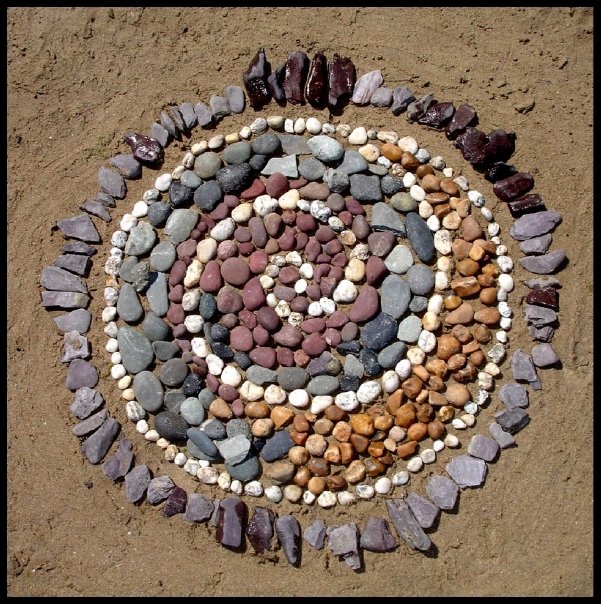
Playing is a wondering-smart activity. Playing also promotes being smart in the other areas. Are you ensuring that your child’s day includes play-time to encourage kindergarten readiness and make your child smarter? Are you also squeezing some play-time in for yourself so that you share the wonder of it all?
Share this:
Share this page via Email Share this page via Stumble Upon Share this page via Digg this Share this page via Facebook Share this page via Twitter
Share

Kindergarten Readiness – People-Smart Activities for Kids

people-smart-activities

People-smart skills are obviously important for kindergarten readiness (as well as being one of the 8 multiple intelligences). Being in a group with lots of young kids and not very many adults is not easy for little ones. It’s a big learning step. Were you ever called a social-butterfly? Or a loner? Social butterflies are likely those with strong people-smart intelligence while loners are those with people-smart challenges. Very young children can have these same strengths and challenges. Some of these skills seem to already be part of a child’s personality and we can encourage kids to develop others and help them cope in groups.

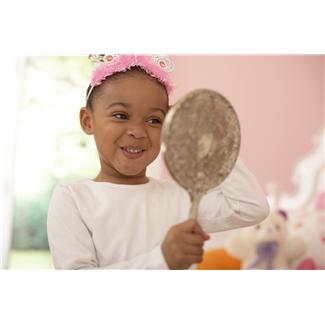
  • Find an unbreakable mpeople-smart-activitesirror or one safely attached to the wall and take turns making faces with your child. What does a sad face look like? How about a very mad one? A happy face would look like so happy that other people might smile. This helps your child learn to read facial expressions and understand how others feel.
  • If possible, participate in groups such as story-time at the library or other community programs. Not all kids feel comfortable in large groups of people and need practice.
  • As you read books and share stories, ask your child what the characters in the story might be feeling? You may need to supply most of the words, for example, do you think that Piglet is feeling sad or is Eeyore kind of sad? The Berenstain Bears often explore problems and solutions but there are lots of other kids’ books, stories and videos about different ways of getting along with others.

people-smart activitesAs with self-smart/me-smart “I” messages need to be practiced over and over. “I” messages are ways to say “I don’t like…” instead of “You make me…” For example, “I don’t like when you won’t share,” is more effective than “You are mean.”

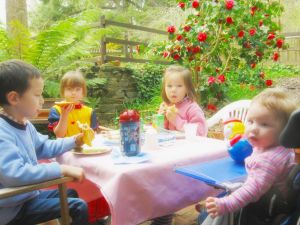
Play-dates let kids explore playing with others and learn to share and take turns.

Sharing meals and sharing jobs around the house is another way that kids can participate with others.

These are a few suggestions for encouraging children learn to be people-smart. What activities are appropriate to help your child develop interpersonal intelligence and kindergarten readiness so as to become people-smarter?

Share this:
Share this page via Email Share this page via Stumble Upon Share this page via Digg this Share this page via Facebook Share this page via Twitter
Share

Kindergarten Readiness – Kids’ Me-Smart Learning Activities

Awareness and understanding of oneself is not just kindergarten readiness; it’s a life-long process. Kids seem to be all about “ME” but there are ways that we can help children develop positive and healthy self-smart or me-smart skills (one of the 8 multiple intelligences).

  • Read books and share stories. Franklin was aware that he was afraid of the dark. Scaredy Squirrel likes to stay in his very own space. Talk with your child about when s/he feels scared.Winnie the Pooh knows that he loves honey. Ask your child about what s/he likes and doesn’t like.

me-self-smart activitiesBalance times when your child plays alone with times to play with others. Children who are me-smart are often independent and do not mind playing by themselves. They may need encouragement to interact with others.

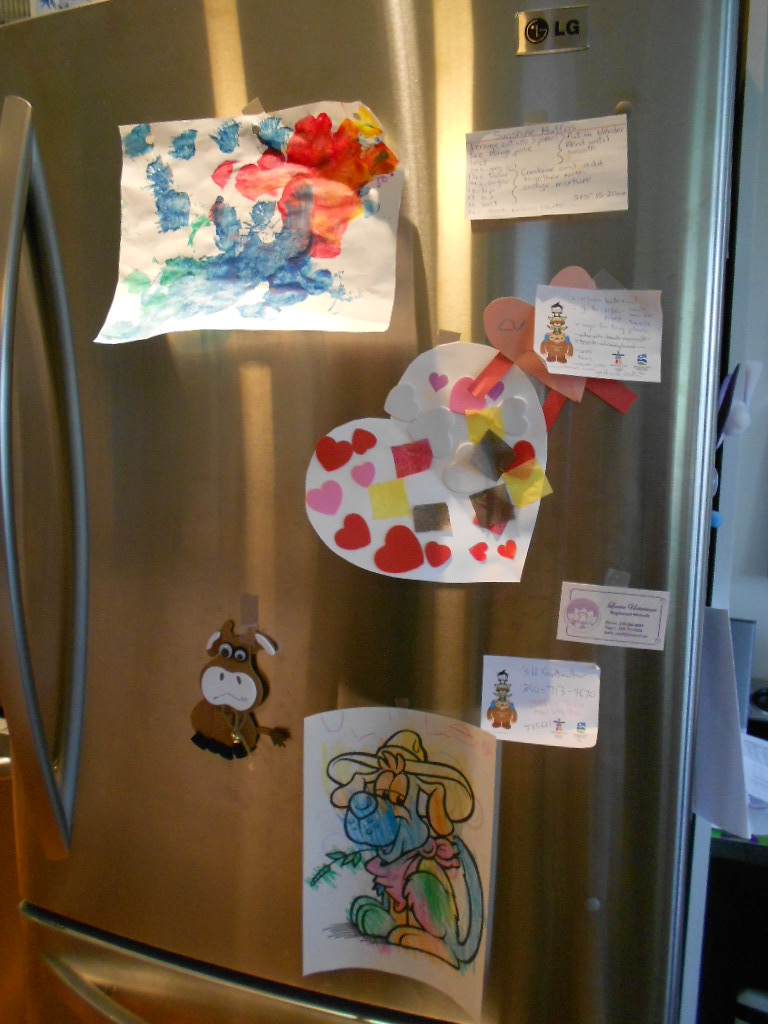
Display your child’s art work on the fridge or a window in the kitchen. If possible, mail a few to grandparents or cousins.

Have some dress-up clothes so your child can explore different ‘selfs’.

If needed, before your child goes to a program without you, practice the words needed to tell the adults that s/he needs to use the restroom, has a tummy-ache, is feeling too hot or too cold.me-self-smart activities

  • Encourage self-reliance such as getting dressed with only minimal help, tucking pajamas away, washing hands.

Using “I” messages is both a me-smart and people-smart strategy. Instead of saying “Don’t grab my toy” an “I” message might be “I don’t like when you take my toy.”  The words “I don’t like when you sit in my spot,” are more effective than “You’re making me mad.” Learning how to resolve conflicts is such a big learning challenge for young children. Adult support is really needed to help kids feel confident enough to share their feelings and negotiate with others.

Formula Mom on her blog says “Those with a strength in the intrapersonal intelligence are almost the opposite of those with interpersonal intelligence.” That is, they may be very independent and self-contained. Those who have a challenge in this area may follow what others like and do rather than exploring their own interests. Each child has both strengths and challenges. Developing self-smart or me-smart helps for kindergarten readiness and beyond. How will you encourage your child to be self-smarter?

Share this:
Share this page via Email Share this page via Stumble Upon Share this page via Digg this Share this page via Facebook Share this page via Twitter
Share

Kindergarten Readiness – Math/Logic-Smart Fun for Kids

math-smart-activities1…2…3…kindergarten readiness. Kindergarten readiness will include some familiarity with numbers and early counting. Being math & logic-smart is more than numbers and being able to count, although that is certainly part of it. Children who have strong mathematical and logical intelligence (one of the 8 multiple intelligences) are also comfortable with patterns and reasoning. Even though all children have their own individual strengths and challenges, there are ways to help your child become number and logic smart. Here’s some smart fun:

  • Count whenmath-smart-activitiesever there is an opportunity. How many bowls are needed at breakfast? Say the numbers as you put some cranberries in the snack cup.  Count the buttons on the coat, the steps to the car, the fishy crackers on the plate. Count for babies so that their brains pick up the words.
  • Talk about more and less/fewer. Ask questions. Do you have more fingers or do you have more noses? Compare big and little, long and short, and other relationships too.
  • When sorting the laundry, make groups. If there’s a group of white clothes like socks and shirts and a group of math-smart-activitiestowels of all colors, where would a white towel go? Does it go with the towels or the white things? That’s called Venn diagrams in 3-d for kids. (Beware of red, it can turn a whole load pink!)
  • Look for patterns. They can be anywhere: clothes, driveways, buildings, or fences. Make some patterns with blocks and let your child try. Lots of exposure to patterns is needed before kids can recognize them and create patterns.
  • Tmath-smart-activitieshere are lots of books to share with your child about numbers and shapes. The structure of most stories has a problem and a solution. Before reading the page with the outcome, ask your child for suggestions about what might happen.
  • Sorting toys into bins, at least for a few minutes, is a hands-on way to help your child understand a system of organization.

Cups or dolls that all nest inside each other are mathematical toys based on size relationships.math-smart-activities

There are countless ways (quirky humor intended) to help your child be logic/math smart and develop kindergarten readiness. Can you number some of these in your days?

Share this:
Share this page via Email Share this page via Stumble Upon Share this page via Digg this Share this page via Facebook Share this page via Twitter
Share

Kindergarten Readiness – Music Smart Activities for Kids

music-smart-activities
Hum the tune for “Wheels on the Bus” and sing “Kindergarten Readiness is not too hard, not too hard, not too hard.
Kindergarten Readiness is not too hard, it’s really very easy.”

And it’s fun, too. To help your child with both kindergarten readiness and musical intelligence (one of 8 multiple intelligences) include some of these music-smart activities in your day:

  • Sing songs; these can be ones that you remember, new ones that your child learns and teaches you, or ones that are jmusic-smart activities for kidsust made up using familiar tunes.
  • Listen to music. Libraries have collections that you can borrow to increase variety and ease budgets.
  • There are often school bands or youth choirs performing at free events in the communities.
  • Put on some music and dance. (This helps to make housework much more enjoyable for both of you.)
  • Create some noisy, I mean musical, instruments to add to the music toys in the toybox.
  • Let your child drum away on the pots and pans or shake something in a can.

music-smart activitiesMy friend Craig Duswalt, who was personal manager for Axl Rose and toured with Guns n’ Roses, advises adults to listen to music to increase their creativity and effectiveness in business, so for children…. Umm, maybe that’s not such a positive story to include in a blog on activities for music-smart kids. A better one would be about Angela Crocker, author of the Complete Idiot’s Guide to Creating a Social Network, who is also a director for Coastal Sound Music and a member of a choir herself. Her son loves music and singing and after kindergarten one day asked to listen to an older children’s choir practice. Like all children–and adults–Sean has areas that are strong and music is one of his strengths already at ayoung age.

You have heard this before, about each child’s unique strengths and challenges, but All children can benefit from brain stimulation through music. Baroque music in particular can prepare the brain for learning math. Is this tune stuck in your mind, Kindergarten Readiness is …? How will you encourage your child to be music-smart?


Share this:
Share this page via Email Share this page via Stumble Upon Share this page via Digg this Share this page via Facebook Share this page via Twitter
Share

Kindergarten Readiness – Nature Smart Activities for Kids

nature-smart-activities
Any day is great for kindergarten readiness no matter if it’s sunny, windy, rainy, warm or cold. Weekends sometimes have more time for nature activities but we can encourage and help children to be nature-smart every single day of the week. (Nature-smart is the child-friendly version of naturalist intelligence, part of multiple intelligences.) Following is a list of a few suggestions for nature-smart fun:

  • nature-smart-activitiesTake a walk and see what things there are in your block. Any changes on the trees or in the yards? Birds fly around cities just like they do in the countryside.
  • Turn over some rocks and check for small creatures like ants and other bugs.
  • Once your child is past the anything-in-the-mouth stage it may be safe, but messy, for some sand-box or mud-pile play time.
  • Plant some seeds inside or outside and watch how they grow.
  • Lie in the grass and watch the clouds move in the wind or turn over and check out what’s happening on the ground.
  • nautre-smart-activitiesDress your child in raincoat and boots to splash in the puddles on a rainy day.
  • Fold paper into fan and feel the air moving.
  • Let your child explore what water can do either in the tub or the kitchen sink.
  • In the fall, there’s wonderful leaves to explore; winter brings the excitement of snow, spring the anticipation of new growth and summer is the best time for collecting rocks, shells and other natural treasures.
  • Visit the zoo, the aquarium, a farm, a market garden whatever resources are in your area to build your child’s connection and understanding of nature.

nature-smart-activitiesWee little ones that can’t walk around on their own can be carried so they can reach out and touch slippery grass, rough tree trunks, and bumpy rocks.  Every child will have learning strengths and challenges but time in nature is now recognized as so important that a lack of it is called nature-deficit disorder.  Spending time in nature promotes your child’s observational skills and curiosity, which also impact kindergarten readiness. For your child’s nature-smart brain growth and development can you include some of these activities?

Share this:
Share this page via Email Share this page via Stumble Upon Share this page via Digg this Share this page via Facebook Share this page via Twitter
Share

Kindergarten Readiness – Body-Smart Activities for Kids

You put your right hand in, you put your right hand out. You put your right hand in for kinder-gar-ten read-i-ness. You do the Hockey-Pokey and develop brains and that’s what it’s all about!
body-smart-activities
And that really is what kindergarten readiness is about. Developing kindergarten readiness tags along with developing children’s brains and all their multiple intelligences. Bodily-kinesthetic intelligence is body-smart in kids’ words. This seems to be a natural for kids; when are they ever not moving? But some children will crawl and walk much earlier than others and go on to develop a good sense of timing and well coordinated movements. Whether this seems to be a strength or a challenge for your child, all children need opportunities to explore what their bodies can do and ways they move and position in space. Some of these might be:

  • having a space where kids can move safely; a yoga mat makes floors softer for rolling around
  • playing some music for dancing and movement exploration
  • building with different kinds of construction toys
  • hopping, jumping, tiptoeing, sliding, walking and runnnning to catch the bus
  • body-smart-activitiesputting together puzzles of different difficulty levels
  • squishing play-dough
  • digging in the sand box
  • splashing around in water
  • saving some clothes that munchkins can use for dress-up and imaginative play, not just dresses but a few hockey shirts or sports clothes for both boys and girls

body-smart-activitiesCheck and see if your community has some gym time for tots with balance benches, balls, hoops, and mats or other fun programs. An entire house can seem too small for kids’ energy levels so some space and time at the playground or park allows them to explore sliding, stepping, reaching, running, climbing, and more (and hopefully channels that energy). Moving promotes the development of all kinds of neural connections. Talk with your child too about how different sensations  and ways to move feel. Encouraging movement helps kids grow brains and promotes kindergarten readiness. How will you help your child become body-smart and even smarter?


Share this:
Share this page via Email Share this page via Stumble Upon Share this page via Digg this Share this page via Facebook Share this page via Twitter
Share

Kindergarten Readiness – Picture-Smart Activities for Kids

The young child who drew this amazing, colorful picture struggled with kindergarten readiness in the self-reliance area because she was so anxious. But isn’t this drawing astonishing? There is no doubt that some children have more advanced drawing skills than others; I still don’t draw this well. But picture smart isn’t just drawing.

Visual/spatial intelligence involves more than colors, lines and paper. It also includes noticing colors and shapes, enjoying looking at pictures, “seeing” images in the mind, remembering how something looks, and knowing that the sofa will not fit in the corner before moving it! How is your visual and spatial area? Look at these ways you can help increase your child’s picture-smart IQ:

  • Look at picture books together. Talk about the pictures. Check out the details such as color, shapes, textures, etc.
  • picture-smart-activitiesHave some paper, paints, colors, chalk and other resources for your child. If necessary cover the whole kitchen floor with newspaper and dress your child in very washable or no clothes in case they need a bath, clothes and all.
  • Make a craft box with all kinds of goodies for putting together. Sticky contact paper is wonderful for attaching stuff, but tongues won’t freeze to it.
  • Playdough gives some 3-d visual stimulation. So do blocks and other construction materials.
  • Go on a shape or color walk around the neighborhood to see what you two can see.

These are only a few of the ways of exploring and encouraging visual and spatial intelligence. One year, a small boy came to kindergarten with a map of the drive to school. He had maps of the way to the store, the road to the library, how to get to granny’s house and more. Just this week I read that JB, now in grade 9, was a National Geography Challenge winner. His second-place means he is in the running to be a World Championship finalist next year. I wasn’t surprised at all and I remembered how he clung to his father’s hand, hip and leg before a field trip. He was ready for kindergarten in some ways and was learning to cope in others. Every child has unique strengths and challenges. How will you help your child become picture-smarter? Is this a challenge or strength for you, too?


Share this:
Share this page via Email Share this page via Stumble Upon Share this page via Digg this Share this page via Facebook Share this page via Twitter
Share

Kindergarten Readiness – Word-Smart Activities for Kids

Kindergarten readiness can be tricky to evaluate but it’s easy to pick out kids who are word-smart. These are the ones that have an unusual vocabulary, lots of words and enjoy talking to practically anybody. Some of this is due to their own personalities and talents but ALL children benefit by language stimulation. Hold onto your socks because the following will knock them off. Apparently, kids who have been exposed to a rich language environment at home have built a bank of about 45 million words in their brains before they go to school. word-smart-kidsFor kids with only minimal language it’s about 30 million less! (30 Million Word Gap)

Now, think of words as pennies. Each word your child hears is a penny going ka-ching in your child’s brain bank. You can make your child very rich in words. Hear (sorry, just couldn’t resist the play on words)…here are some ways to enrich your child’s language account and make your child word smart:

  • Read books. Think of a book as a language bath and give your child a good soak in words.
  • Tell stories. Any favorite family stories? My kids love to tell about the rushed morning when I filled the dishwasher soap dispenser with dry cat food. Or just make one up…”One day, Daddy wore the Dora boots to work because he couldn’t find his shoes and….” Or, “One day, Mommy took a school bus home instead of the city bus and….”
  •  Use different voices to say the same thing. Robot voice — please. hang. this. up. Use a squeaky Elmo voice, a shaky voice, an opera voice. (Don’t forget the whiny voice that sounds just like your child.) And a slurpy voice — pleasssse hang thisssss up.
  • word-smart-activitySing songs. Play word games. Make up silly words. Hat, cat, rat, Zat, now what is a zat? Is it like a wat or a dat?
  • Have a conversation on the banana phone or the shoe phone. Ask the cookies in the oven if they are ready yet and then answer yourself.

Yes, some of this is quirky but do you want a smarter child? When it comes to the language part of multiple intelligences and kindergarten readiness, can you make your child a word-bank millionaire, a word-smart kid?

Share this:
Share this page via Email Share this page via Stumble Upon Share this page via Digg this Share this page via Facebook Share this page via Twitter
Share

Kindergarten Readiness – Making Your Child Smarter

Since April Showers bring May Flowers, posts this month on how to support your child’s kindergarten readiness will be about flowers, learning flowers that is. Just like flowers grow, so do children’s brains. We used to think Intelligence was a single quantity that was fixed in your genes but we now know that early stimulation influences ‘smartness’. Plus, each child has unique strengths and challenges so that there are different ways that kids are smart.

Multiple-IntelligencesJust like adults, some children are very verbal, chattering away in sentences before others have more than a few words. The floor, tables, and cupboards have to be baby-proofed weeks earlier in some homes for speedy walkers and crawlers. Many kids will color on the walls, but some of the drawings will be early works of art. Recognizing that there are different ways to be intelligent, Dr. Howard Gardner formulated a list of 7 intelligences. Later, he added an eighth. Many education programs are built around Multiple Intelligences. To help kids, easier words are used but even as early as kindergarten, kids learn there are different ways to be smart. Bulletin boards in schools often show “How I Am Smart”.

Being unable to find a picture when I needed one, here is a visual representation. (Calling it a drawing might be overly optimistic. As you can tell, it was not done by a talented 3-year old!) Later posts will focus on ways to build your child’s smartness for each of these intelligences. Today, watch and listen to your child. In what way is your child smart? What are your child’s strengths and what are the challenges? Where does your child need more support and encouragement to be smarter?

Share this:
Share this page via Email Share this page via Stumble Upon Share this page via Digg this Share this page via Facebook Share this page via Twitter
Share